


|
|
|
|
by Editor Jane Lyons
Edited and published by Yvette Depaepe, the 20st of November 2026
*“To be truly iconic you have to be recognized in a silhouette.”* — Slash

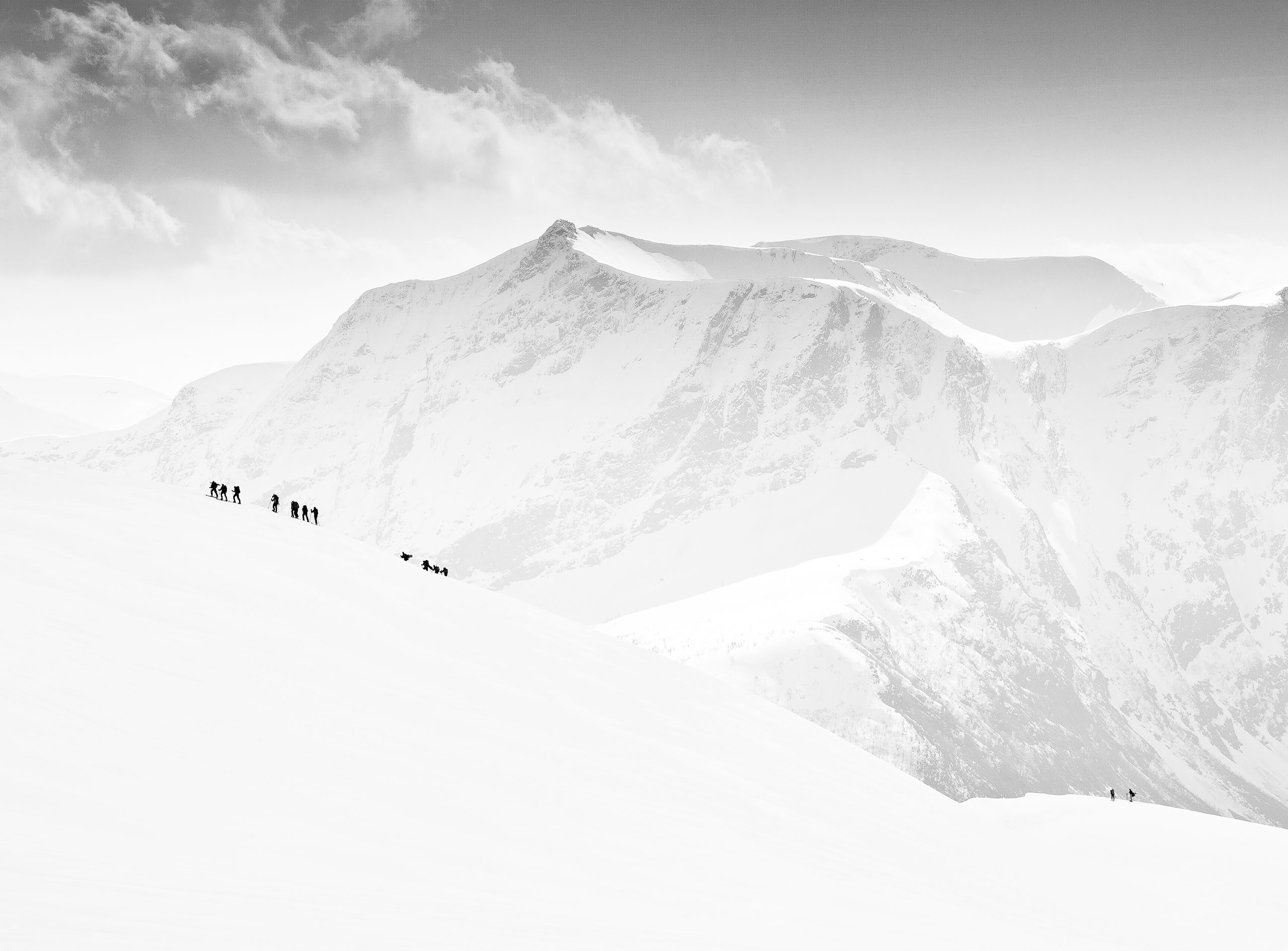
“Wonderful view” by Nic Keller
Silhouettes are so effective in photography because they eliminate distractions, enabling us to focus on the shape, light, and emotional impact of an image. By eliminating detail, silhouettes simplify a scene, often making it more powerful in the process.
There is something intriguing about what a silhouette reveals and conceals. Without facial expressions, colours or familiar details to guide us, we must interpret the image for ourselves. A simple outline can suggest mystery, drama, solitude, humour or even sadness. Sometimes, what we cannot see becomes as important as what we can.

untitled by Leyla Emektar La_
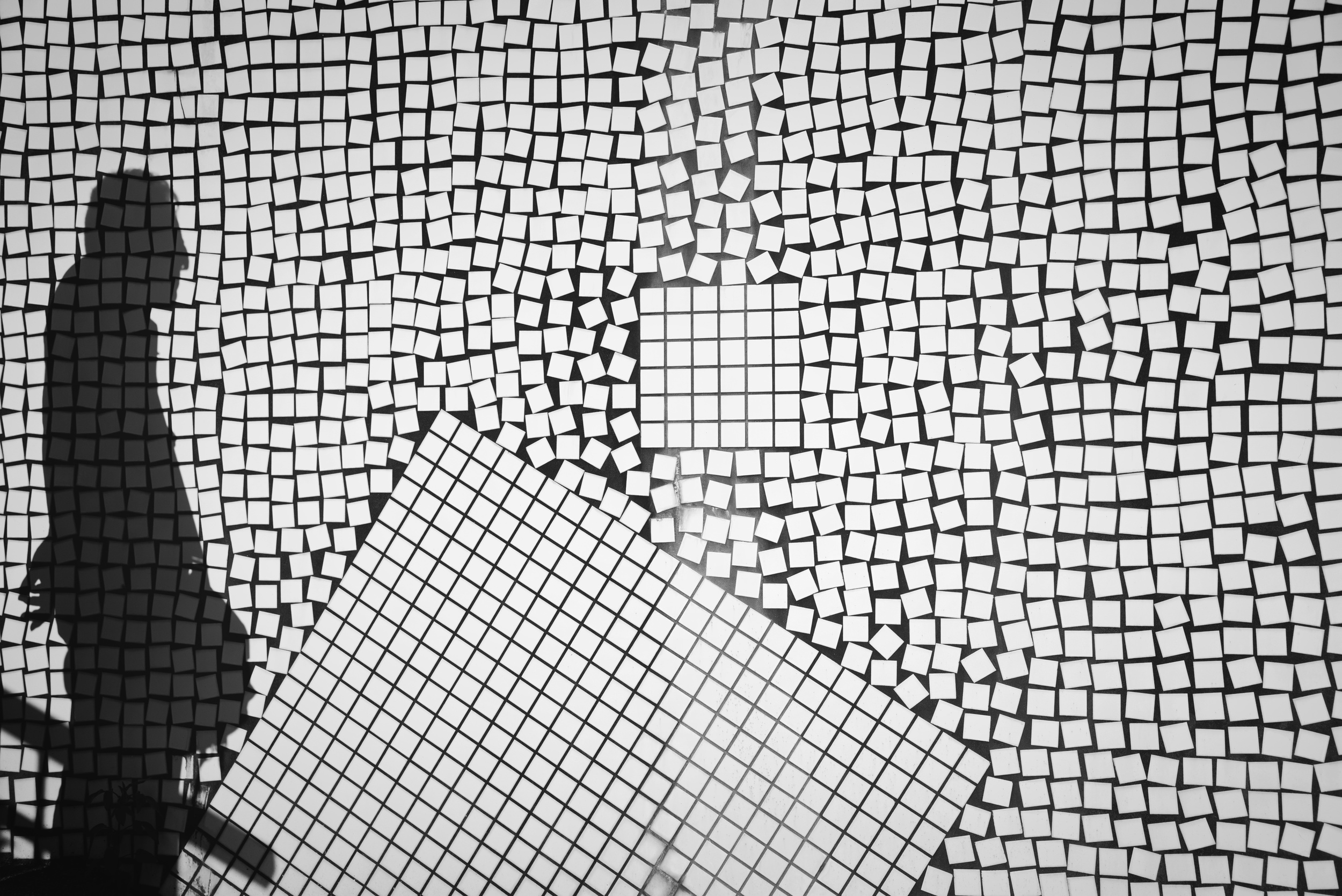
“Afternoon shadow” by Reiko Kiri
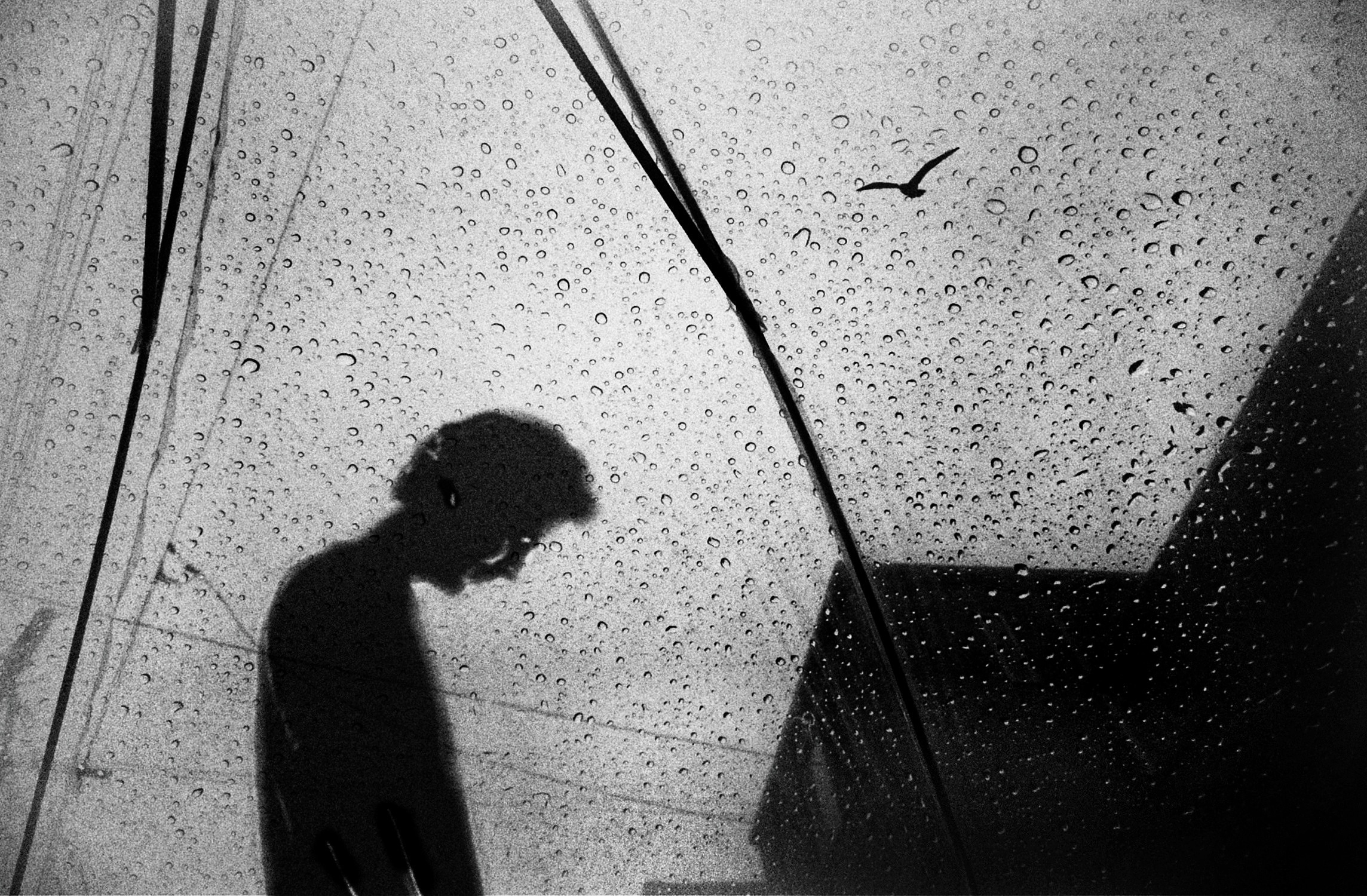
“Silence of Sorrow” by pphgallery

“Tango Argentino” by Holger Droste
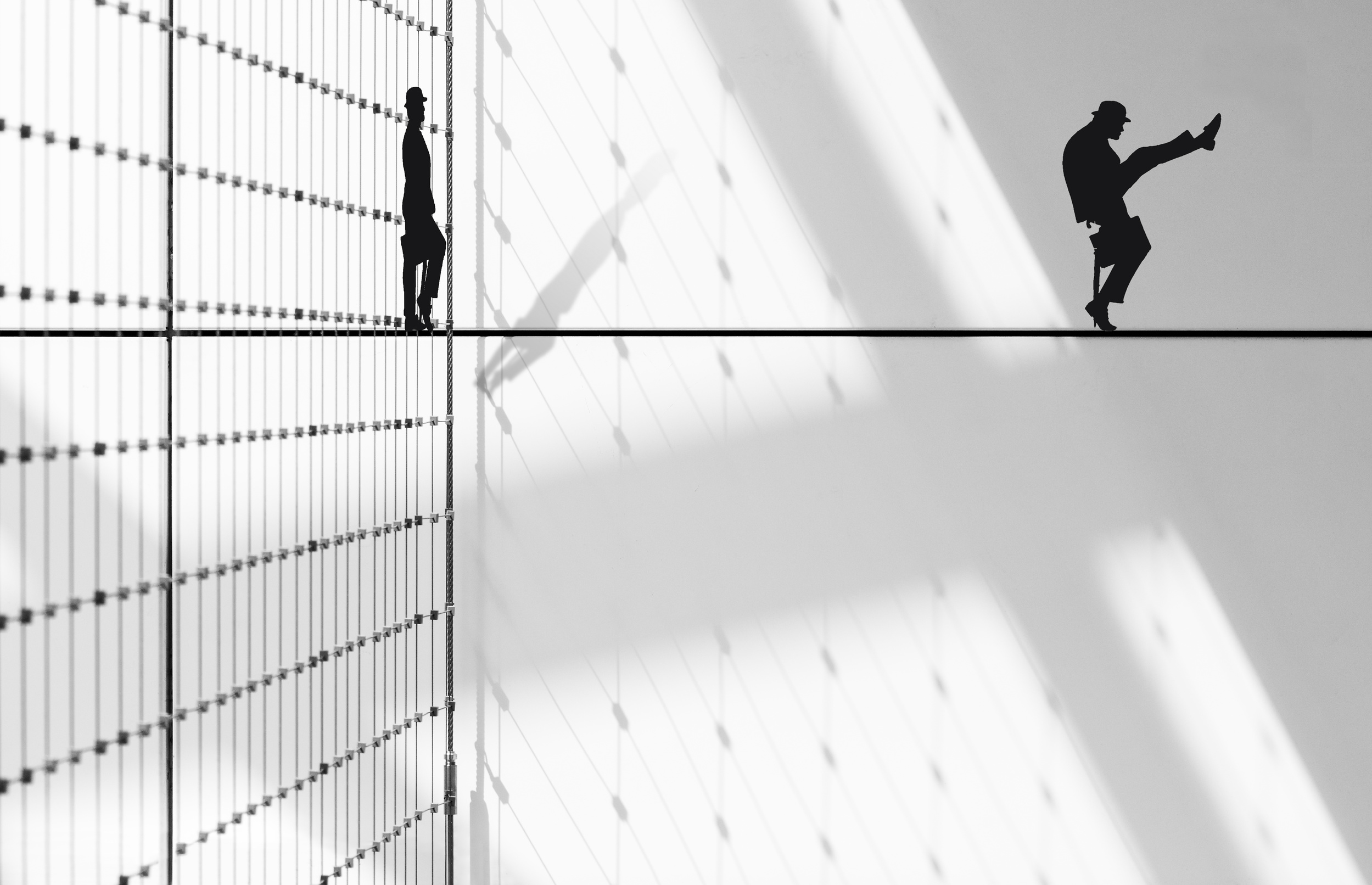
“Silly Walk” by Greetje van Son
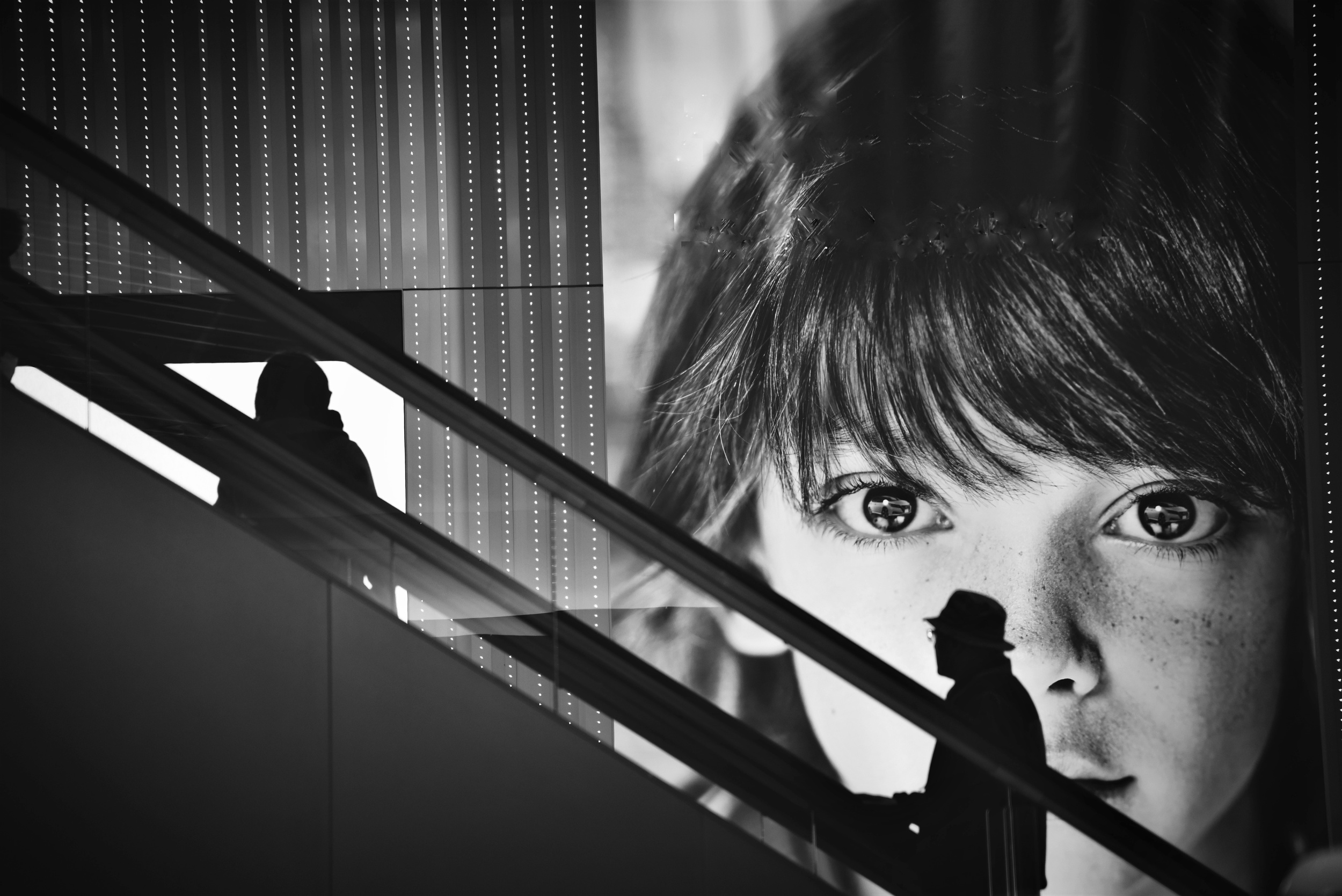
“Emerge Silhouette” by Reiko Kiri
From a practical standpoint, silhouette photography allows us to transform challenging lighting conditions into creative opportunities. Rather than fighting strong backlighting, we can use it to our advantage. How many times have you made an exposure mistake, only to find that the resulting silhouette was more interesting than the original photograph?

“Meeting Point” by Hans-Wolfgang Hawerkamp

“On their way” by Mania De Praeter
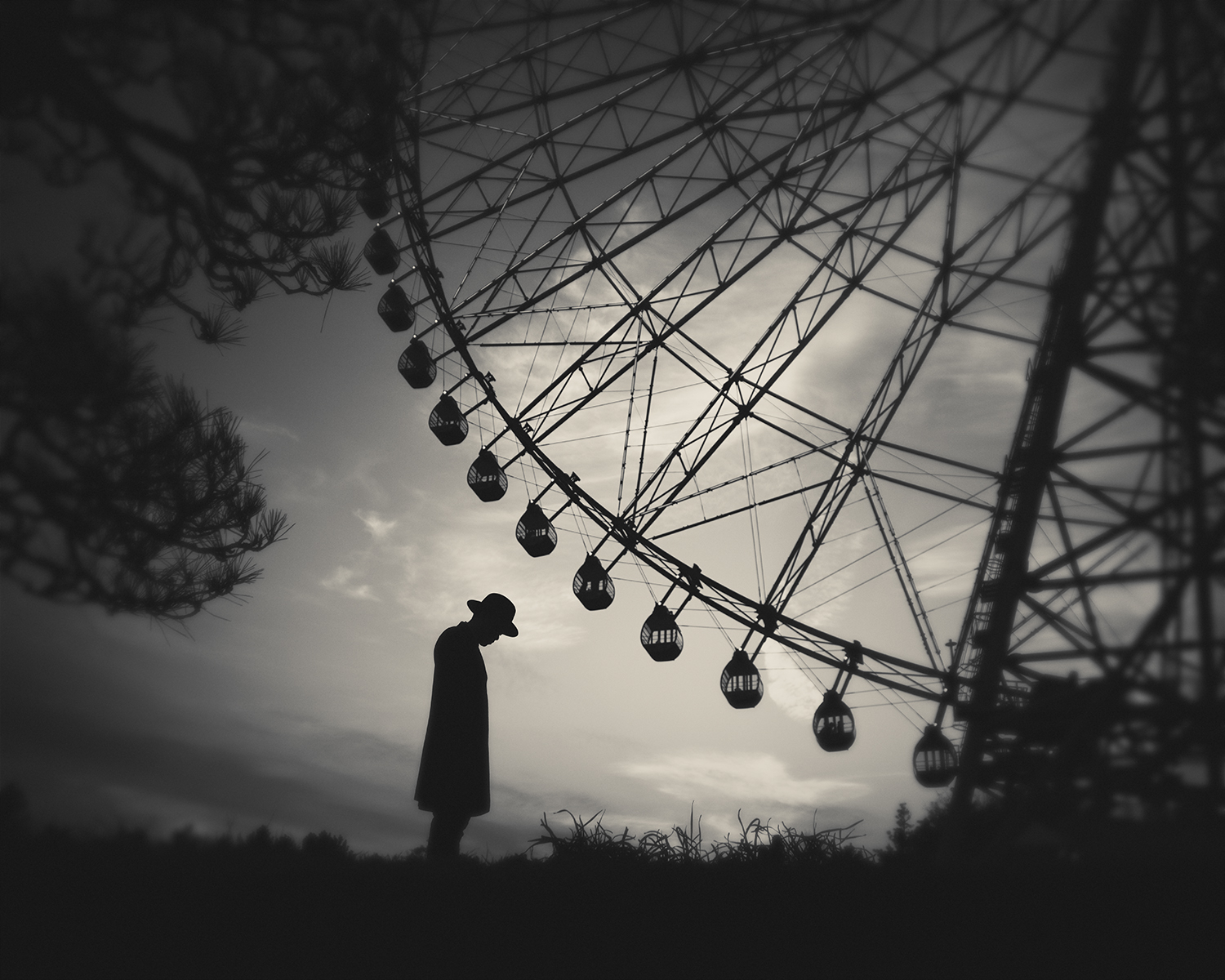
untitled by Hengki Lee
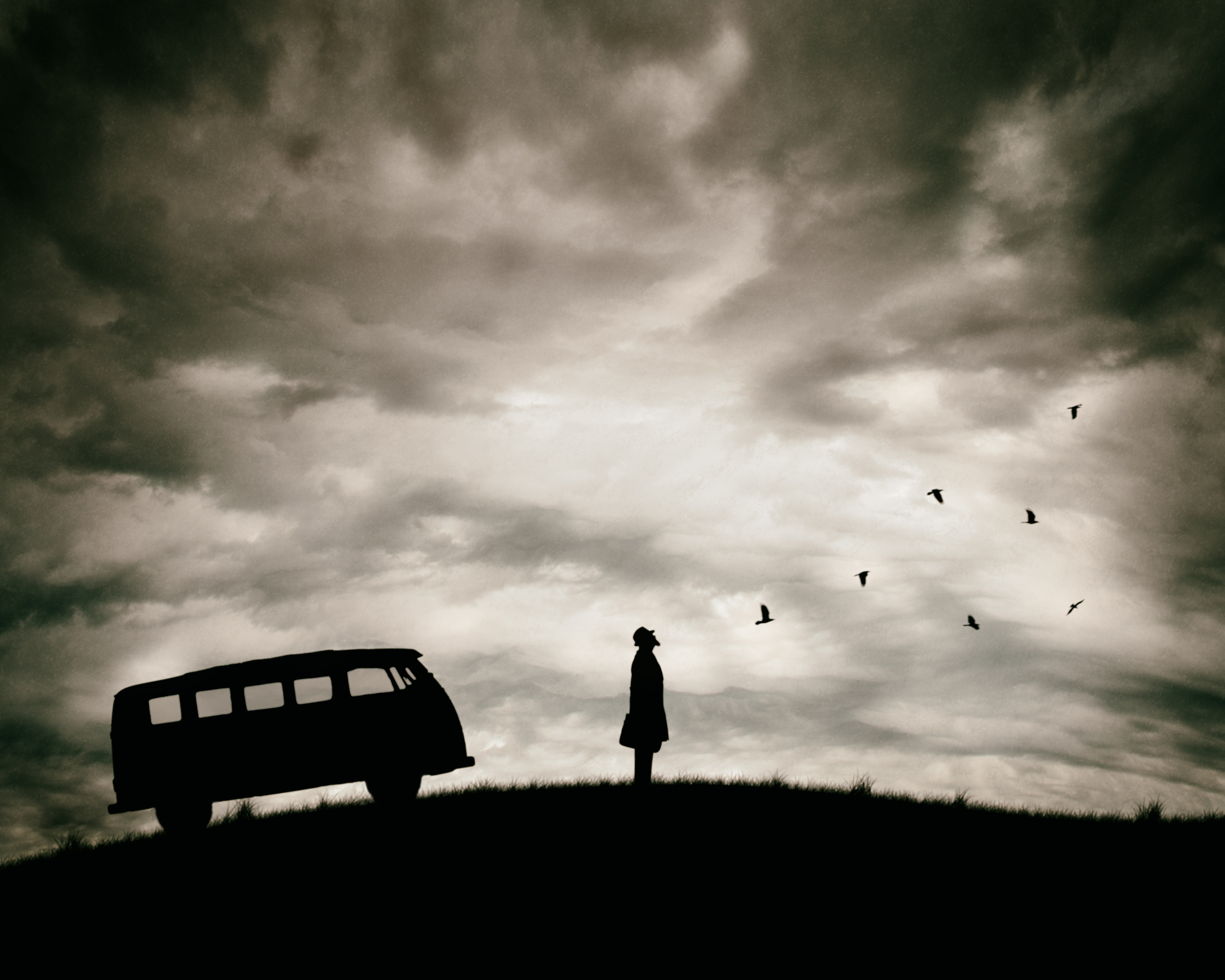
“Freedom” by Petri Damstén
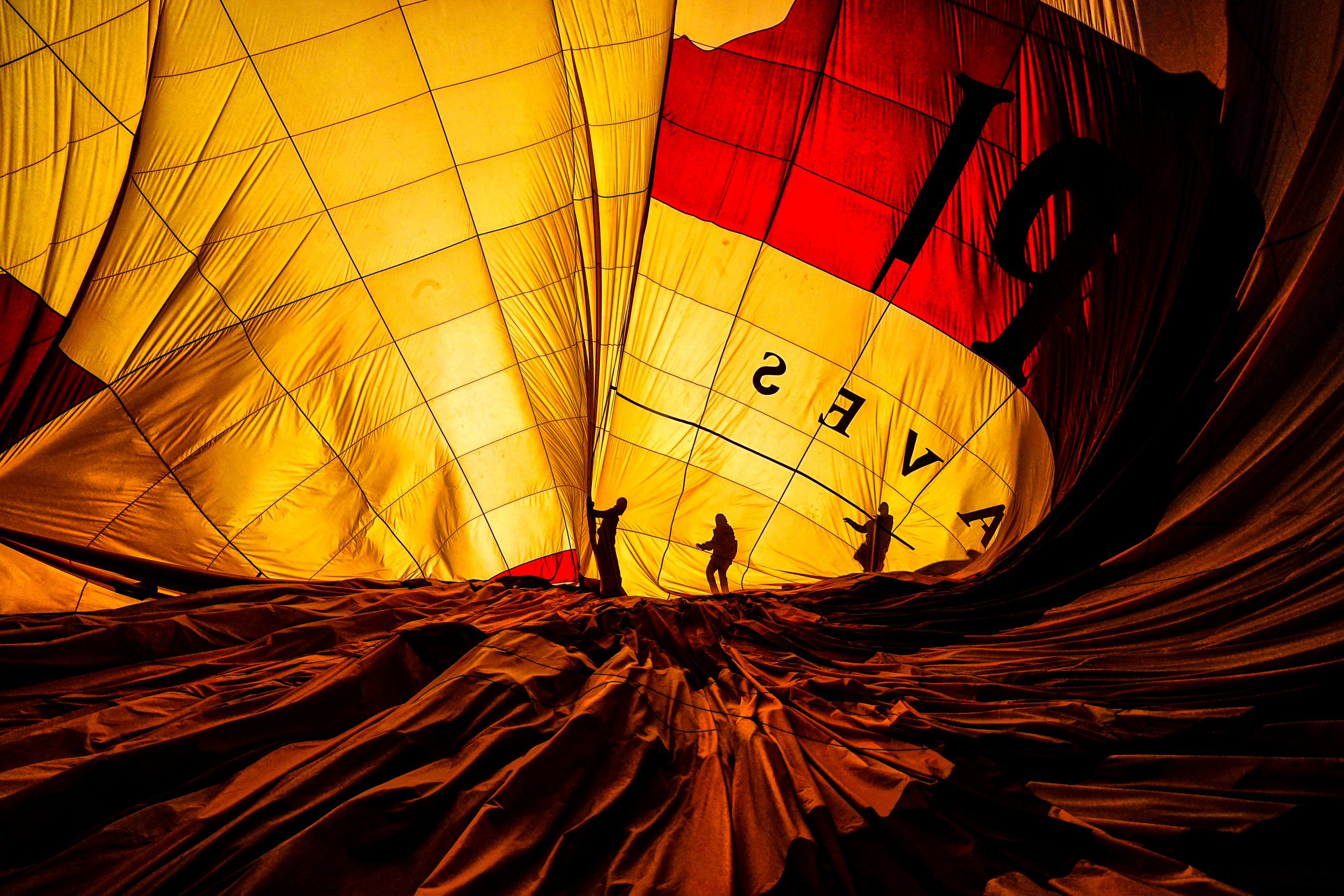
“When the balloons go out” by Gilcan Mete
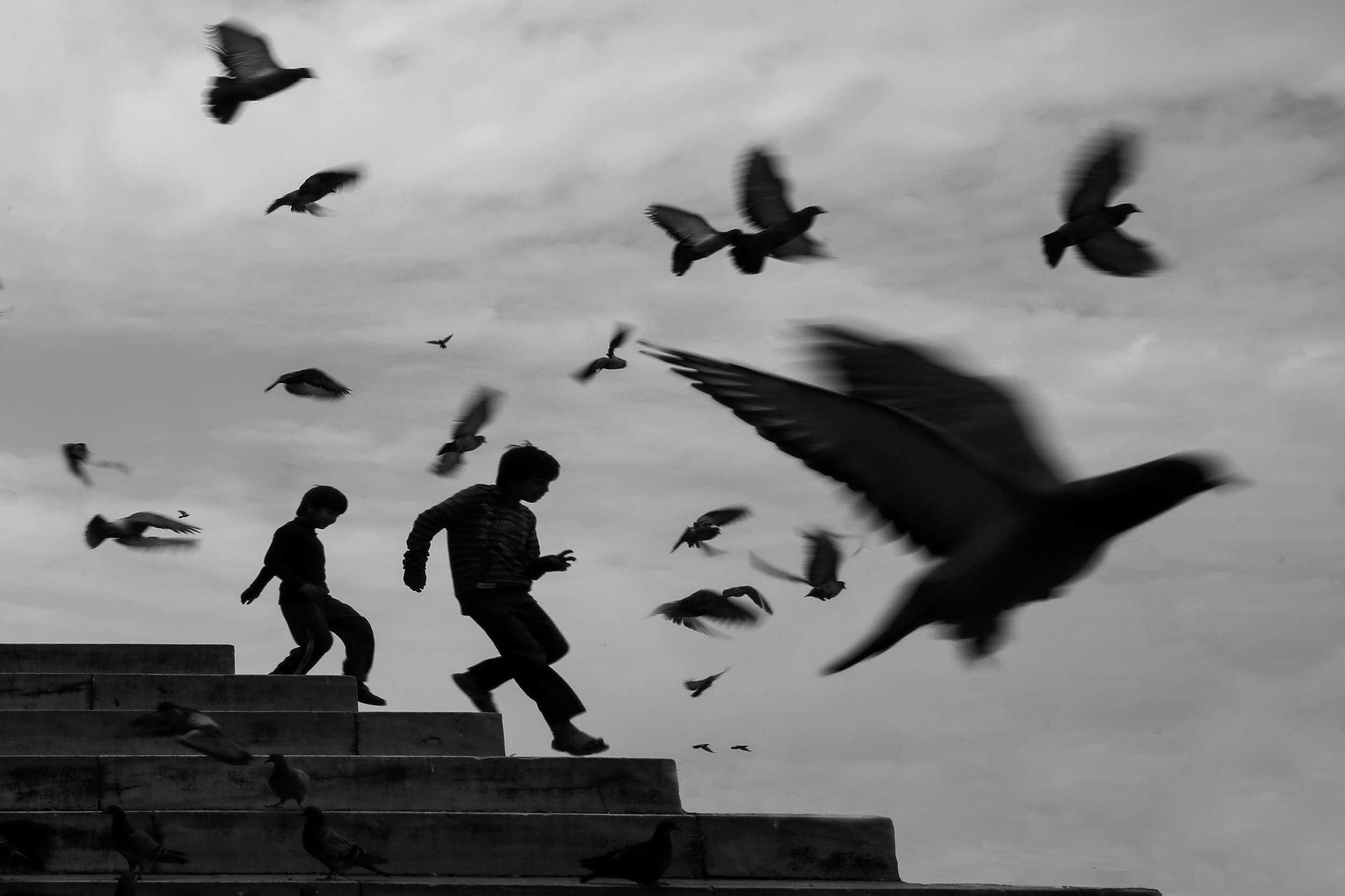
“Freely” by Ummu Nisan Kandilcioglu

“U Bien Bridge” by Emel Sefer
Lighting is, of course, the key. Having a strong light source behind the subject, such as a bright sky, a setting sun or even a window, makes it easier to create a clean, well-defined silhouette. The trick is to expose for the brighter background rather than the subject, allowing the foreground to fall into shadow. Exposure compensation can also help by darkening the image deliberately.
However, successful silhouettes involve more than just exposure. Composition becomes especially important when details disappear. The placement of a figure, the relationship between shapes, the use of negative space, and even the smallest gesture can determine whether an image is ordinary or memorable.
Working with silhouettes is also a great way to hone your visual skills. It encourages us to look beyond the obvious subject and pay closer attention to form, balance, and how light transforms a scene. Even ordinary objects and familiar situations can suddenly become something quite unexpected.
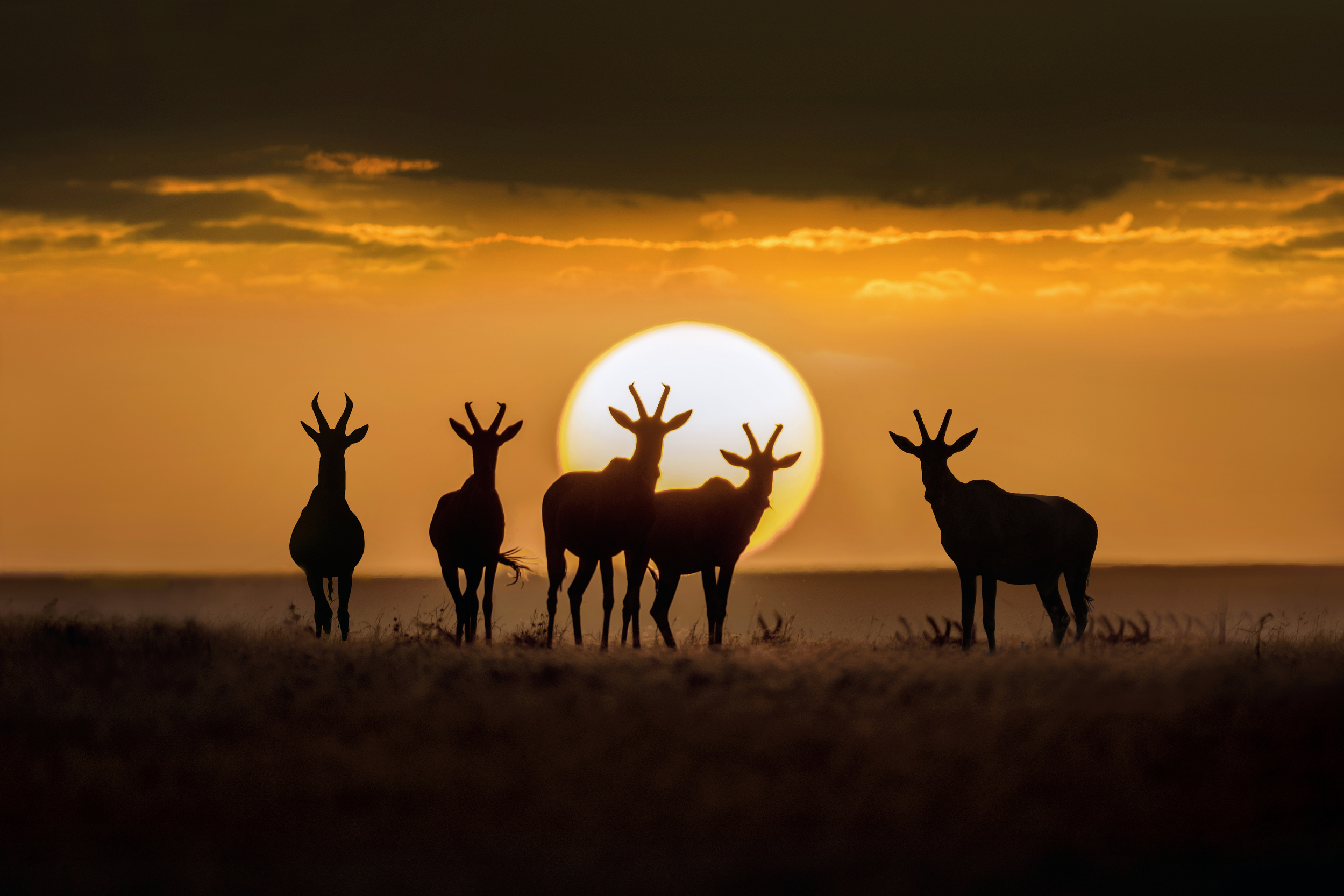
“Topis at sunset” by Xavier Ortega

“There is nothing new under the sun” by janini (Zhana Topchiva)

“We are here waiting for you” by Shenshen Dou
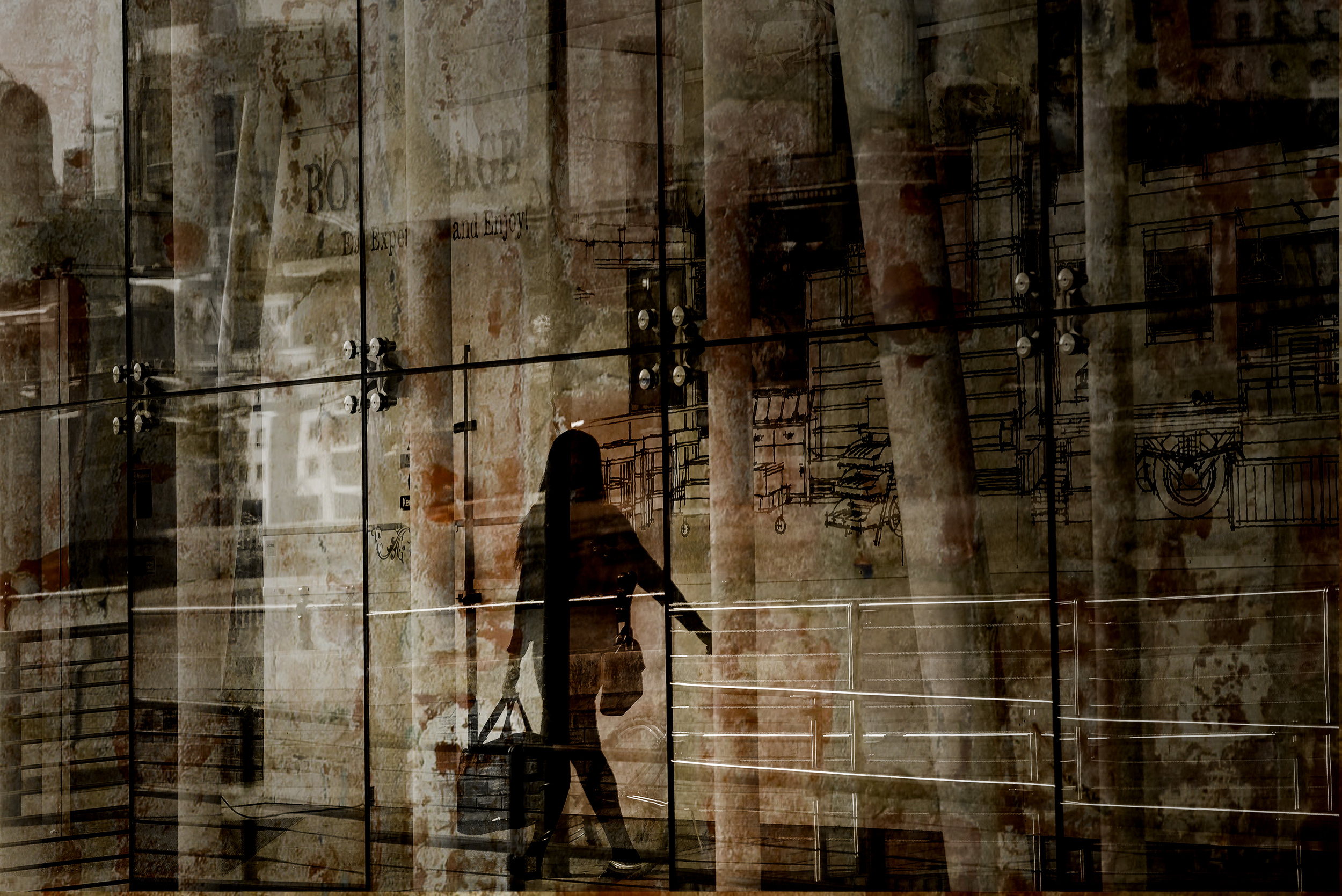
“Bon Voyage” by Chris Hamilton

“Alone with big clouds” by Nic Keller
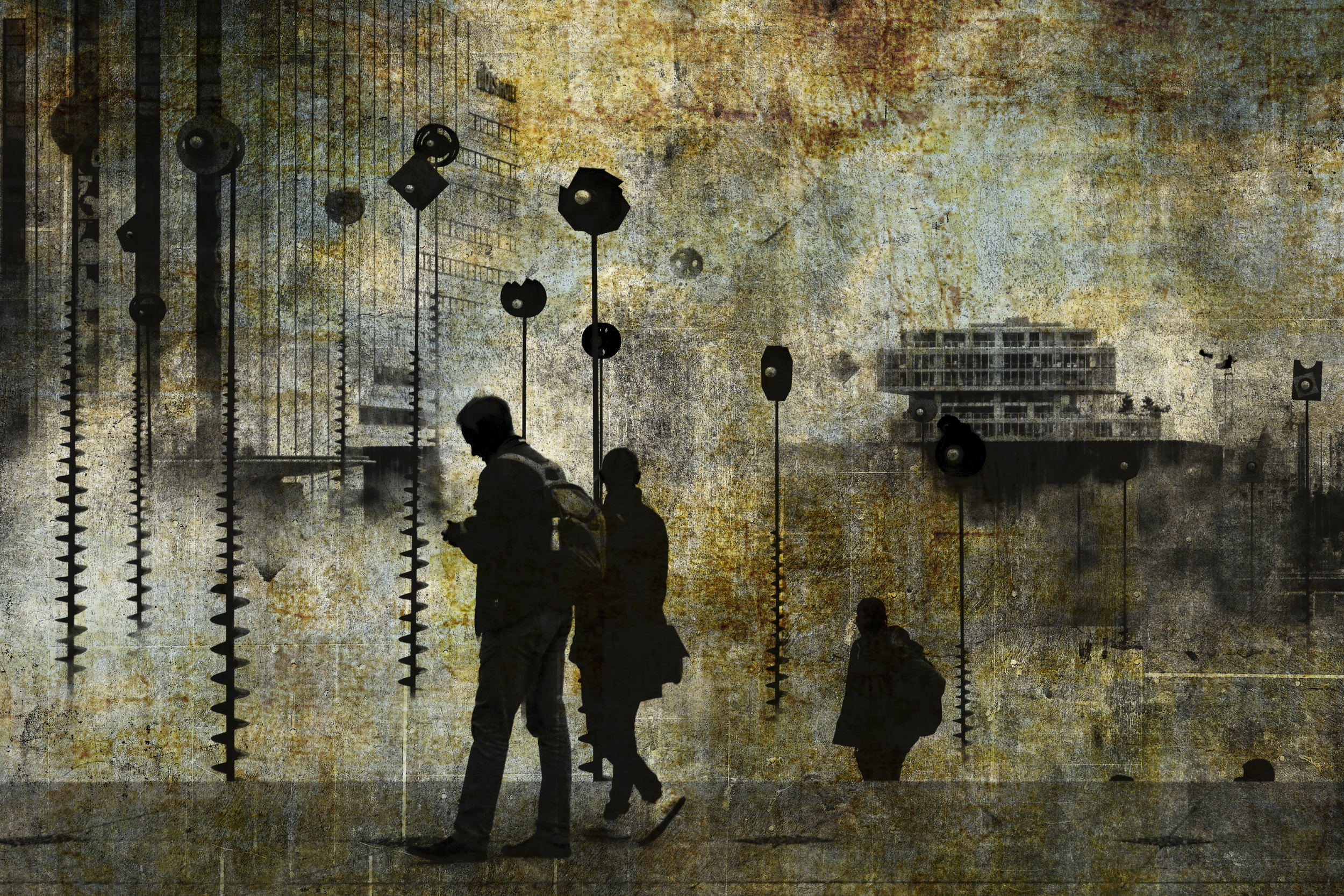
“Architecture” by Isabelle DUPONT
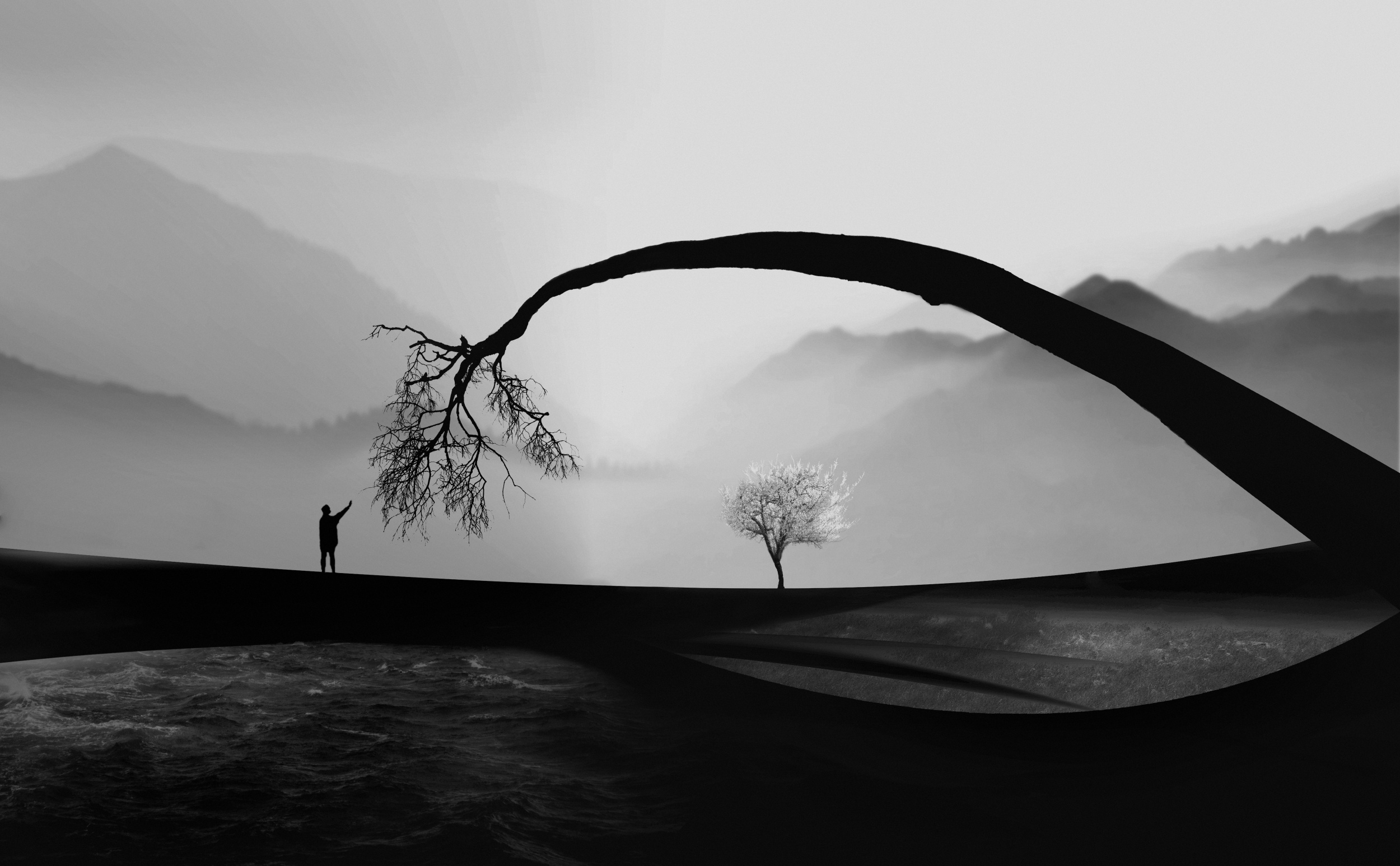
“Touch” by Hadi Malijani (Malenjani)
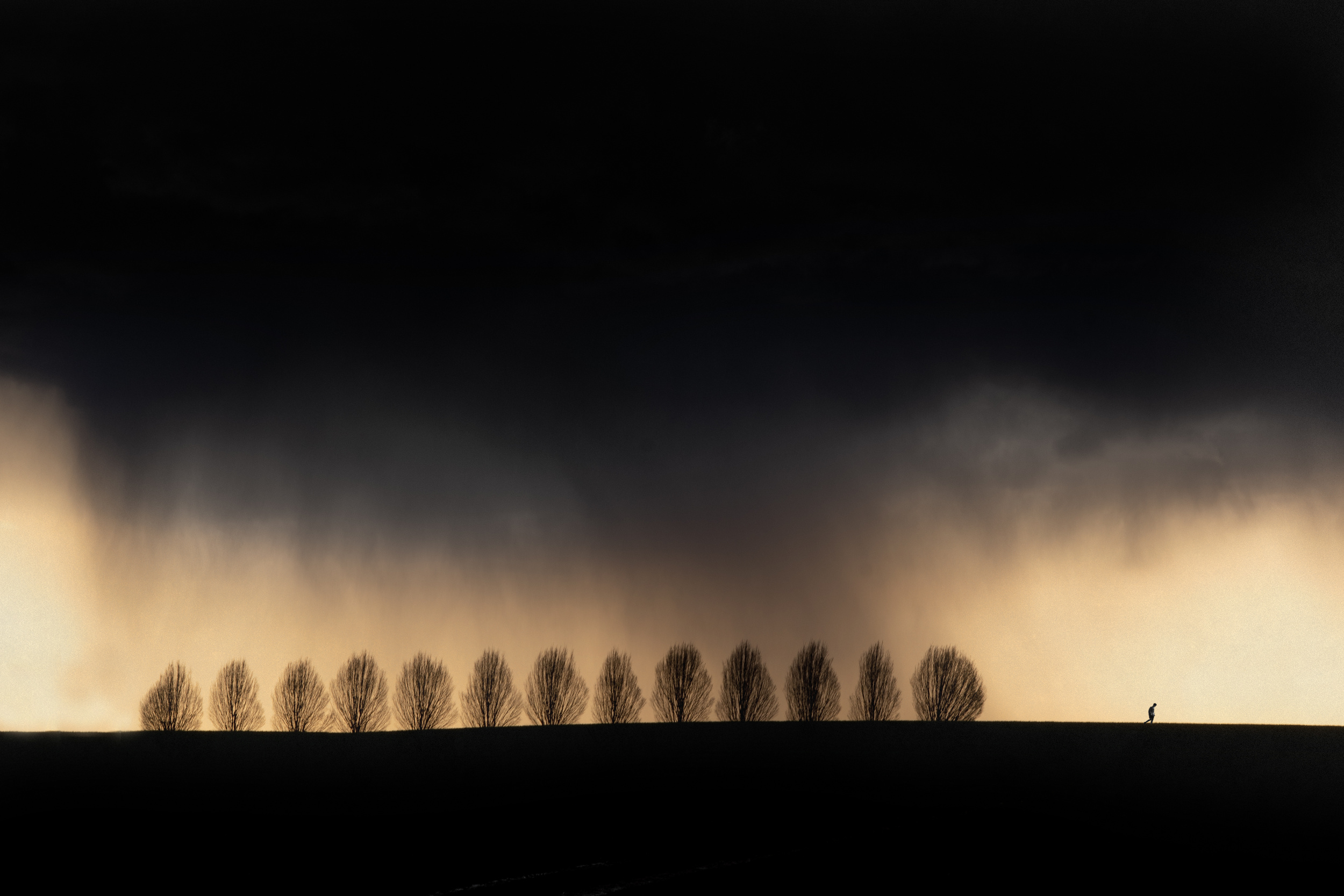 “A Silent Weapon for a Quiet War” by Adam Dauria ☂
Black-and-white silhouettes are perhaps the most iconic examples, with their strong contrasts and graphic simplicity. However, colour introduces another dimension. It can set the mood, add warmth or drama, and create striking contrasts between subjects and their surroundings.
The photographs in the 1x archive demonstrate the extraordinary range of creative possibilities that silhouettes offer.
From simple outlines to complex compositions filled with movement and atmosphere, they show that sometimes a photograph can be far more compelling with less information.
 | Write |
 | DonnaHom APA PRO A very impressive collection of silhouettes and shadows. Love the shapes of the animal, people. Congratulations to all authors having your image s exhibited here. Thank you Jane for the edit and Yvette for publishing them. |
 | Wanghan Li PRO So beautiful, creative and artistic works plus the wonderful article! thanks a lot for sharing! |
 | Hadi Malijani (Malenjani) PRO Dear Jane,
Thank you for this wonderful article and for including my photograph in your carefully curated selection. I particularly enjoyed your perspective on turning challenging lighting conditions into creative opportunities. It is a beautiful reminder that photography is not always about controlling every element, but also about recognizing unexpected possibilities and making something meaningful out of them.
My appreciation to you and Yvette for bringing together such a diverse collection of work and sharing it with the 1x community. Congratulations to all the featured photographers! |
 | Hans-Wolfgang Hawerkamp PRO thanks a lot dear Jane for this great honour to be featured again with an image. It´s a fascinating theme for an article. Thanks also to Yvette for her work as a publisher
|
 | Sokol Priftaj PRO Wonderful article |
 | Christine Hardcastle PRO Fantastic article and images! Thank you! |
 | Yvette Depaepe CREW Fine article, well written in your lovely style, Jane ... Great choice of images too. Thanks, my dear friend ... and congratulations to the authors. Have a wonderful weekend ahead. Cheers, Yvette |
 | Greetje van Son PRO Hello Jane. With much pleasure I read and looked at your article 'silhouets. You have choosen a lot of beautiful photos and I am glad to see one of mine among them. Thanks a lot for choosing and share this article. Thanks to Yvette for publishing! |
 | Ralph Scylla CREW Dear Jane,
What a lovely article, and what a wonderful selection of photographs!
I particularly enjoyed your observation that sometimes what we cannot see becomes just as important as what we can. To me, that is precisely where photography becomes more than a mere representation of reality. By taking away detail, we leave room for imagination, interpretation and emotion.
I also like the way you combine practical advice with a genuine appreciation of the artistic possibilities. You remind us that simplicity is not necessarily the absence of complexity, but sometimes the result of understanding what really matters.
A beautifully written and illustrated piece. Thank you for a very enjoyable read! |